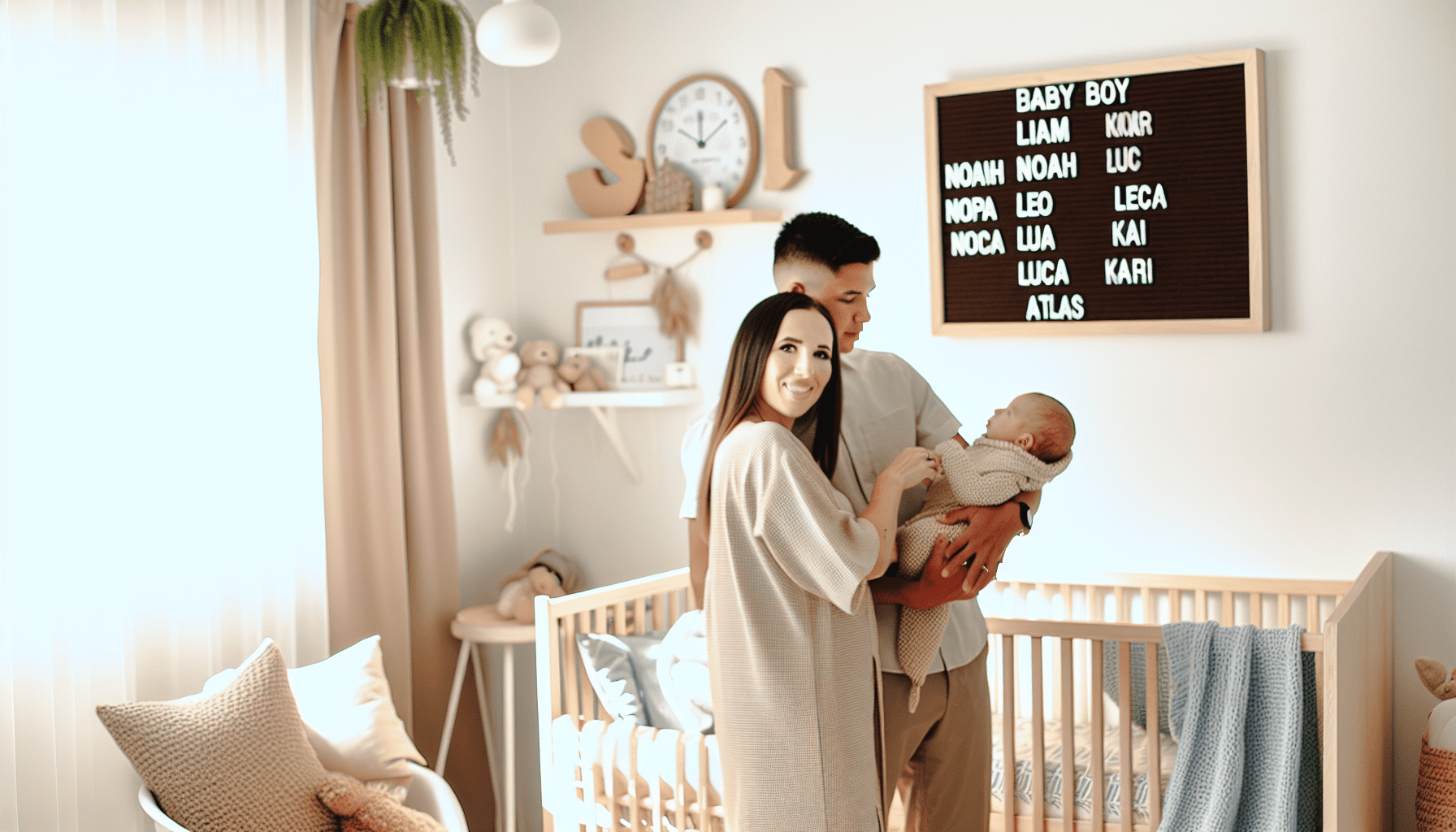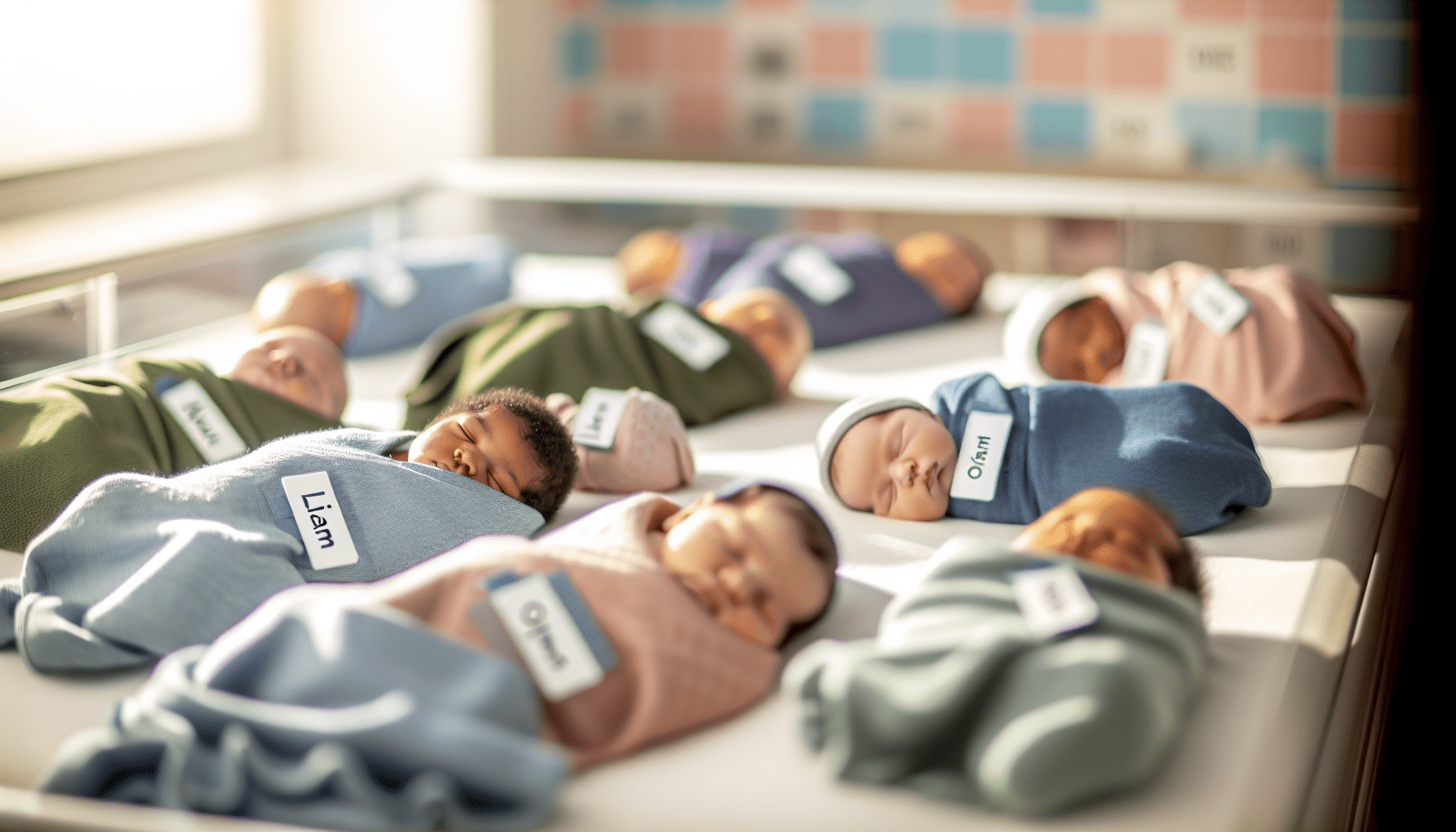
Choosing a baby name in 2025 means navigating tradition, pop culture and global trends all at once. From timeless classics like Liam and Olivia to rising stars inspired by TV series, diversity and nature, today’s name charts tell a deeper story about our societies. Explore what the most popular newborn names say about modern values, hopes and identities.
How Popular Newborn Names Are Tracked and Why They Change
Popular names are tracked mainly through civil registries and statistics offices that compile every registered birth and publish yearly rankings, often broken down by sex and by Top 10, 50 or 100. The U.S. SSA, for example, uses Social Security card applications; other countries release similar data that often feed into Wikipedia’s national name lists, allowing long‑term comparison of counts and rank shifts.
Historically, U.S. and other English‑speaking data show that once‑dominant classics like James, John, Mary and Patricia slowly yielded to Liam, Noah, Olivia, Emma and Sophia. Names move in generational waves: people often avoid peers’ overused names yet rediscover grandparents’ choices. Still, religious and royal names such as William, Elizabeth and Mohammed maintain remarkable continuity across decades and borders.
Between 2020 and 2025, shifts accelerate because media and global culture constantly supply new inspirations: fantasy epics, superhero universes, sports stars, streaming idols and K‑pop performers all introduce names with appealing sounds or stories. Online databases and Wikipedia’s cross‑language name categories make it easy for parents in one country to lift names from distant cultures in just a few clicks.
Social media and parenting forums then act as amplifiers. A name that was once regional can spread worldwide within a couple of seasons if influencers, bloggers or viral birth announcements spotlight it. Micro‑trends emerge around niche aesthetics, from cottage‑core nature names to sleek, futuristic‑sounding choices, subtly visible in statistics a year or two later as small but rapid climbs in rank.
Underlying these changes are evolving values. Many 2025 parents seek names that are short and pronounceable in multiple languages, reflecting mobility and multicultural families; rich in meaning, often linked to virtues, light, peace or nature; distinctive without feeling invented; and either firmly gendered or deliberately neutral, mirroring debates about gender identity. With these dynamics in mind, the next chapter turns to specific leading names of 2024–2025 and what they reveal.
Top Trending Newborn Names in 2024–2025 and What They Mean
Across countries, exact rankings vary, but certain names keep surfacing in Top 10–20 lists from 2024–2025 civil‑registry and Wikipedia‑summarized data. In English‑speaking nations, Liam, Noah, Oliver, Olivia, Emma and Sophia dominate, while variants like Lucas/Lukas and Sofia/Sophia show up across Europe and Latin America, and Muhammad and its spellings top charts in many Muslim‑majority populations and diverse cities.
- Liam – Irish short form of William, often glossed as “resolute protection.” Its clipped, energetic sound and easy spelling work in North America, Europe and parts of Asia, making it a safe global choice.
- Noah – Hebrew name linked to “rest” or “comfort.” Its biblical familiarity reassures traditional families, while the gentle, vowel‑rich sound appeals to modern tastes.
- Oliver – With Latin and Old French roots and ties to the olive tree, it carries connotations of peace. It feels literary and soft yet substantial, which fits current preferences for kind‑sounding boys’ names.
- Elijah – From Hebrew, “my God is Yahweh.” It blends spiritual depth with a rhythmic, story‑book sound, rising in both religious and secular households who like names that feel heroic.
- James – Classic derivative of Jacob. It endures in Top 20 lists because it crosses class and regional lines, offering countless nicknames and professional flexibility.
- Lucas – Latin origin, associated with “light.” Its popularity from Brazil to Scandinavia shows how parents value names that travel well while sounding gentle and modern.
- Mateo / Matteo – Romance‑language forms of Matthew, “gift of God.” Their surge reflects the global influence of Hispanic and Italian culture and a love of warm, open‑vowel endings.
- Leo – Latin for “lion.” Its brevity, astrological links and friendly fierceness make it a favorite for parents seeking strength without aggression.
- Muhammad / Mohammed – Meaning “praiseworthy.” Beyond Muslim‑majority countries, it frequently ranks near the top in multicultural cities, signaling the visibility and demographic weight of Muslim communities.
- Aiden / Aidan – Irish name often interpreted as “little fire.” It helped launch the modern wave of two‑syllable, -en/-an names and stays popular thanks to its bright, youthful feel.
- Olivia – Possibly from “olive,” associated with peace. Its dominance in Western charts reflects parents’ attraction to Shakespearean roots, lyrical rhythm and the gentle image of the olive branch.
- Emma – Germanic for “universal” or “whole.” It bridges eras, feeling equally at home in historical dramas and contemporary classrooms, which reassures parents wary of fleeting trends.
- Sophia / Sofia – Greek for “wisdom.” The Sofia spelling thrives in Europe and Latin America; both forms symbolize intelligence and elegance, resonating with aspirational parenting values.
- Ava – Often tied to Latin “avis,” bird, or to Eve. Its airy sound, brevity and vintage Hollywood associations make it a compact, glamorous choice.
- Isabella – Romance form of Elizabeth, “pledged to God.” Royal connections and its sing‑song rhythm give it a fairytale quality that remains popular even as spin‑offs (Bella, Izabel) diversify.
- Mia – Sometimes a diminutive of Maria, also “mine” in Italian/Spanish. Its cross‑linguistic familiarity and minimalist style fit busy, globally minded families.
- Amelia – With roots linked to work or industriousness, it suggests capability. Parents like that it sounds soft yet purposeful, echoing ideals of resilient, kind daughters.
- Charlotte – Feminine of Charles, tied to “free man.” Royal figures and beloved fictional characters keep it visible, while its vintage chic suits the revival of old‑fashioned names.
- Luna – Latin for “moon.” It rides the wave of celestial and nature names, projecting calm, magic and emotional depth that appeal to mindfulness‑oriented parents.
- Harper – English occupational surname, “harp player.” Its rise highlights the move toward gender‑neutral, surname‑style first names, and a subtle artistic vibe.
Across these lists, patterns emerge: many favorites are two syllables and end in vowels or soft consonants, making them easy to share across languages. Nature and celestial themes (Luna, Leo, Olivia’s olive imagery) are quietly reshaping charts, while religiously rooted names like Noah, Elijah, Muhammad and Isabella show that spiritual and traditional anchors remain powerful even in hyper‑modern societies. Beyond the Anglophone world, national statistics regularly spotlight local leaders such as Ahmed, Fatima or regional forms of Sofia, Lucas and Mateo, underscoring how migration and media knit together a truly global naming pool. With this landscape in mind, the next section turns from what is popular to how parents can translate these trends into a name that still feels personal and distinctive in 2025.
How to Choose a Newborn Name in 2025 Without Regretting It
Start by checking official Top 100 or Top 1000 lists (often summarized on Wikipedia) to see where your favorites sit. Then personalize: if Olivia or Noah feel too common, consider related options like Alivia, Noa, or older and cross‑language forms. Borrowing variants from neighboring cultures or resurrecting vintage versions lets you keep a familiar vibe while giving your child a distinct, story‑rich identity.
- Pronunciation and spelling – Test the name with relatives, teachers, and friends abroad. If everyone hesitates or invents different spellings, expect lifelong corrections. One unusual letter change can create constant friction; sometimes the classic spelling travels better than a “unique” twist.
- Meaning and origin – Look up the etymology in reputable name dictionaries or encyclopedias, not just social media memes. Decide whether you’re comfortable with religious, mythological, or historical layers attached to the name, including famous people who bear it now.
- Initials and nicknames – Write out initials with the surname to avoid unfortunate acronyms. Then imagine playground and online life: which nicknames will peers naturally form from the first syllable or first three letters, and do you like those as much as the full name?
- Longevity – Check rankings from the last decade. Names that rose slowly and stayed stable usually age better than those that spiked overnight due to a TV character or viral trend, which may feel dated when your child reaches adulthood.
- Cultural sensitivity – If you’re borrowing from another culture, research how that community actually uses the name. Ensure it’s not sacred, memorializing tragedy, or strongly tied to a specific faith you don’t share, unless you’re ready to explain that choice respectfully.
- Sound with the surname – Say the full name at different speeds and in different moods: whispered, shouted, and introduced in a job interview. Listen for repeating sounds, tongue‑twisters, or unintentional rhymes that might invite teasing.
Choosing a Top 10 name like Liam or Sophia brings comfort: teachers recognize it, forms will be filled correctly, and employers may subconsciously associate it with “normality.” Yet your child might be one of three Sophias in class and forced into using initials online. To balance this, many parents now pick names sitting safely in the Top 50–150, or pair a familiar first name with a rare middle—Olivia Marigold, Noah Ilias—so the child can lean traditional or distinctive later. If you love Luna, you might explore other moon‑linked or night‑sky names; if Mateo appeals, look at related “gift” or “light” names in different languages that echo the same feeling without duplicating the exact trend.
For multicultural or globally mobile families, naming is also about translation. Some parents hunt for names like Leo, Mia, Lucas or Sofia that sound natural in multiple languages, simplifying moves and mixed‑language households. Others alternate cultures between first and middle names, or choose one “home‑country” name and one internationally simple name. Before deciding, check international statistics and encyclopedic entries to understand how the name is perceived elsewhere—chic, old‑fashioned, religious, or even humorous.
Finally, imagine the name in 2045, not just 2025. Visualize it on kindergarten artwork, a teenager’s social handle, and a professional email signature. Very experimental spellings and hyper‑trendy coinages often tie a child tightly to one era, while grounded, globally familiar names tend to flex with different ages and identities. Using the popularity data and patterns from earlier chapters as a compass, you can choose a name that feels current today yet is sturdy enough for every future version of your child.
Conclusions
Popular newborn names in 2025 weave together history, faith, pop culture and globalization. By understanding how rankings are built, which names dominate recent charts and what meanings they carry, parents gain real insight instead of chasing trends blindly. Use official lists and linguistic research as tools, then choose a name that feels timeless, respectful and genuinely right for your child.